How to Choose the Best Roof Sealants and Coatings for Longevity
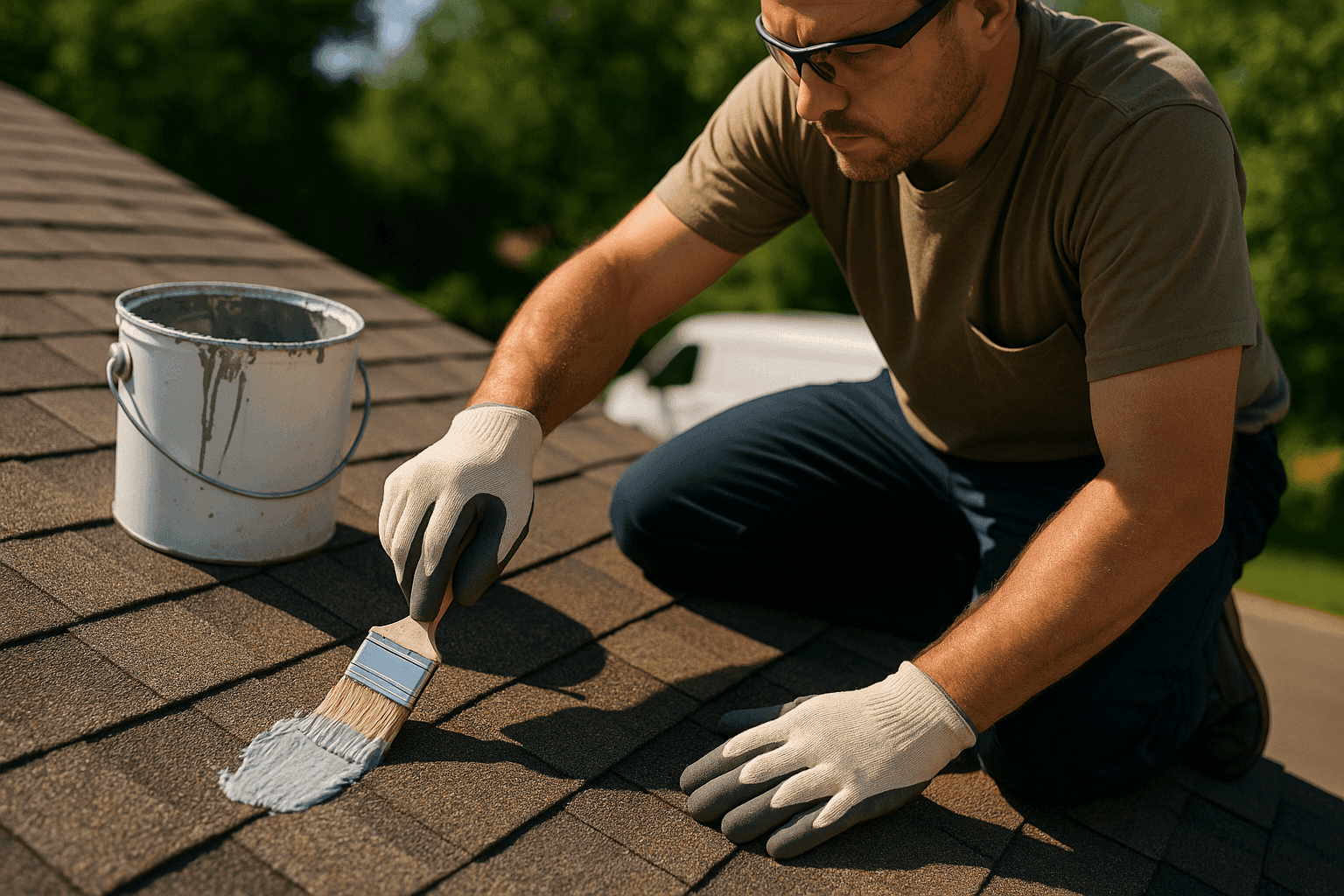
Keeping a roof over your head is about more than shingles and nails. It’s about peace of mind—especially when storms roll in, or leaks threaten your home or business. At Pitch Roofing, we know that choosing the right roof sealants and coatings can be the difference between a quick patch and years of lasting protection.
Whether you’re a homeowner or run a small business, navigating the world of roof coatings can feel overwhelming. Let’s break it down and help you make smart choices for your roof’s longevity.
Why Roof Sealants and Coatings Matter
A roof isn’t just a hat for your building. It’s your shield. Over time, sun, wind, rain, and temperature swings chip away at that shield. Cracks form. Water sneaks in. Energy bills creep up. Roof sealants and coatings act like a raincoat—protecting the surface, sealing out moisture, and reflecting heat. The right choice can stretch your roof’s life, prevent emergency roofing situations, and save you money.
Types of Roof Sealants and Coatings
Not all roofs—and not all leaks—are created equal. Here’s a quick guide to the most common types of sealants and coatings, and when to use them:
Acrylic Roof Coatings
- Best for: Sloped roofs, shingle, or metal surfaces
- Benefits: Highly reflective, UV resistant, easy to apply
- Drawbacks: Less flexible in extreme cold, can wear down with standing water
Acrylics are like sunscreen for your roof—great for reflecting sunlight and keeping things cool.
Silicone Roof Sealants
- Best for: Flat roofs, areas with heavy rainfall or ponding water
- Benefits: Extremely water-resistant, flexible, resists mold and mildew
- Drawbacks: Can be slippery when wet, sometimes tricky to recoat
Silicone acts like a rain boot—tough, waterproof, and built to last through puddles.
Elastomeric Coatings
- Best for: Older roofs, surfaces with minor cracks or movement
- Benefits: Stretches and contracts with temperature changes, bridges small gaps
- Drawbacks: May require primer, not always as UV resistant as acrylic
Think of elastomeric as a stretchy bandage—covering wounds and flexing as your roof moves.
Eco-Friendly Options
- Best for: Homeowners and businesses looking to reduce environmental impact
- Benefits: Low-VOC, cool roof technology, sometimes made from recycled materials
- Drawbacks: May have a higher upfront cost
These options help you protect your building and the planet at the same time.
Preparing Your Roof: The Key to Long-Lasting Results
Before you break out the brush or roller, prep work is critical. Rushing this step is like painting over dirty walls—the results won’t last.
- Clean the surface: Remove debris, dirt, and any loose material. A clean roof means better adhesion.
- Repair damage: Patch holes, replace missing shingles, and fix flashing. Don’t seal over problems.
- Dry completely: Moisture trapped under a coating can cause bubbling or peeling.
- Inspect for trouble spots: Look for rust, soft spots, or signs of mold.
According to the National Roofing Contractors Association (NRCA), thorough surface prep is a must for any successful coating application.
Quick Safety Checklist 🦺
Roof work isn’t for the faint of heart. Even pros take precautions. Before you start:
- Wear non-slip shoes and gloves
- Use a sturdy, properly placed ladder
- Never work alone—have someone nearby
- Avoid working in wet, icy, or windy conditions
- Keep tools and sealants away from open flames
- Check manufacturer safety guidelines for each product
If you’re ever unsure, it’s safer to call in a professional.
DIY vs. Call a Pro
Some projects are perfect for a Saturday afternoon. Others are better left to those with training and the right equipment.
When DIY Might Work
- Small cracks or seams on an accessible, low-slope roof
- Minor touch-ups with user-friendly products
- You have experience with home repairs and follow all safety measures
When to Call a Pro
- Large areas need sealing or recoating
- Your roof is steep, high, or difficult to access
- You spot structural damage, mold, or persistent leaks
- You’re unsure what product to use
Pitch Roofing technicians are trained to spot hidden issues and apply coatings according to manufacturer specs and building codes. Sometimes, what looks like a simple leak is a symptom of a bigger problem.
What Pros Do On Arrival
When you call Pitch Roofing for sealant or coating services, here’s what you can expect:
- Thorough inspection: We check not just the leak, but the whole roof—shingles, flashing, gutters, skylights, and more.
- Material match: We select the right sealant or coating for your specific roof type and climate.
- Surface prep: Cleaning, minor repairs, and priming as needed.
- Professional application: Using rollers, sprayers, or trowels for even coverage and maximum adhesion.
- Final check: We make sure every seam, crack, and vulnerable spot is sealed tight.
We follow safety standards set by OSHA and guidelines from the NRCA for every job.
Prevention & Maintenance
A little attention now can save you from headaches later. Regular roof maintenance keeps small issues from turning into emergencies.
- Inspect twice a year: Spring and fall are best.
- Clear gutters and downspouts: Blockages lead to water backup and leaks.
- Check for peeling or cracking: Reapply sealant as soon as you spot trouble.
- Schedule professional inspections: Catch hidden issues early.
Sealants and coatings are not a one-and-done fix. Think of them as part of your roof’s regular checkup.
Costs & Time Factors
Every roof is different, so costs and timelines can vary. Here’s what to keep in mind:
- Material choice: Silicone and eco-friendly products may cost more upfront, but can last longer.
- Roof size and shape: Larger or more complex roofs take more time and product.
- Prep work: Extensive cleaning or repairs add to the timeline.
- Weather: Application requires dry, mild conditions. Rain or extreme heat can delay work.
Most professional applications take a day or two for average-sized roofs. DIY projects may take longer, especially if you’re learning as you go.
When It’s an Emergency
Sometimes, you can’t wait. Storms, fallen branches, or sudden leaks can turn a small problem into a crisis.
- Contain the leak: Use buckets or tarps to catch water inside.
- Avoid walking on a wet roof: It’s slippery and dangerous.
- Call for emergency roofing services: Fast response can mean the difference between a quick repair and major water damage.
Pitch Roofing offers 24/7 emergency roofing help, so you’re never left out in the rain.
FAQ: Roof Sealants & Coatings
How do I know if my roof needs new sealant?
Look for peeling, cracking, or bubbling on the roof surface. If you spot water stains inside, that’s a sign the sealant may have failed. If it’s been several years since the last application, it’s time to check.
Can sealants fix all roof leaks?
Not always. Sealants are great for small cracks or seams, but bigger issues—like structural damage or rotted decking—need more than a surface fix.
Are eco-friendly roof coatings as durable as traditional ones?
Many green products perform just as well, especially those with cool roof technology. Look for coatings that meet ASTM standards for durability and reflectivity.
How often should roof coatings be reapplied?
This depends on the product and your climate. Most acrylics last 5–7 years, while some silicones can last a decade or more. Always follow manufacturer guidelines.
Special Considerations for Roof Sealants and Coatings
- Climate matters: In hot, sunny climates, reflective coatings can lower cooling bills. In wet areas, prioritize waterproof products.
- Roof material: Not all coatings work on all surfaces. Metal, shingle, tile, and flat roofs each have unique needs.
- Sustainability: Ask about low-VOC or recycled-content options if you’re aiming for a greener home or business.
- Timing: The best time to apply sealants is during dry, mild weather—usually spring or early fall. Avoid rainy seasons or extreme heat.
Seasonal Advice for Application
Plan ahead. Spring and fall offer the best conditions for roof work—mild temperatures, less rain, and fewer storms. Applying coatings in the right season helps them cure properly and last longer. Don’t wait for a leak to appear. Preventative care is always easier (and cheaper) than emergency repairs.
Protecting your roof is protecting your investment. For tailored advice and professional application, Call Pitch Roofing now — or reach us anytime at 877-779-1050 .