How to Choose the Right Roof Ventilation System for Your Home or Business
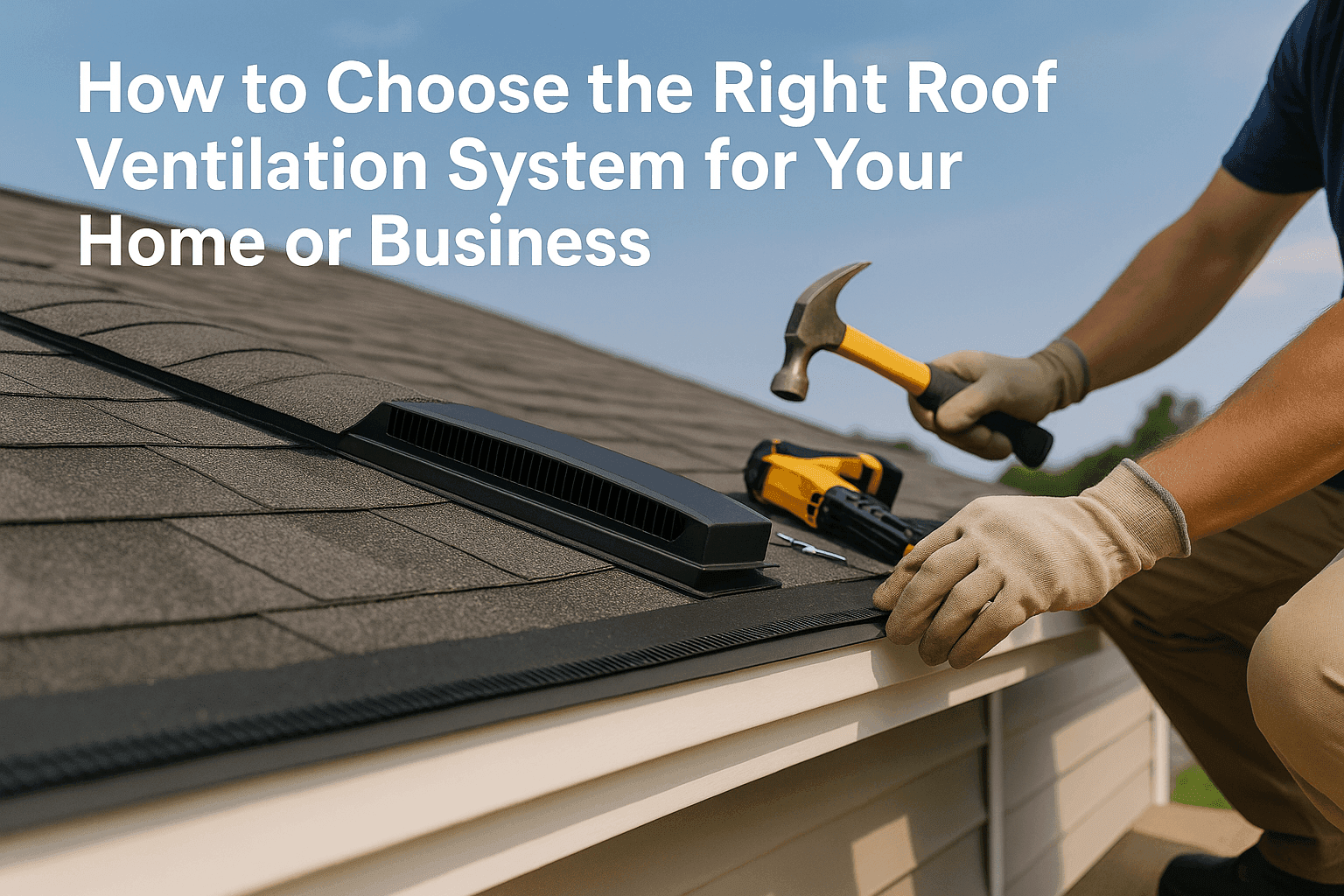
Is your attic hotter than a car in summer? Or maybe you’ve spotted mold, peeling paint, or ice dams. Sometimes, the signs are subtle. Other times, they’re as obvious as a leaky faucet. Either way, poor roof ventilation can quietly drain your wallet and damage your home or business.
At Pitch Roofing, we know that a well-ventilated roof isn’t just about comfort—it’s about protecting your investment, lowering energy bills, and avoiding emergency roofing repairs. Let’s break down how to choose the right roof ventilation system, step by step.
Why Roof Ventilation Matters
Think of your roof as a hat for your building. Without proper airflow, heat and moisture get trapped. That’s when things go wrong:
- Moisture buildup leads to rot, mold, and warped wood.
- Heat buildup makes your AC work overtime.
- Shortened roof lifespan means more frequent, costly repairs.
The right ventilation system acts like a set of lungs for your property, letting your roof “breathe” and stay healthy.
Quick Safety Checklist 🛠️
Before you grab a ladder or call for help, keep these safety basics in mind:
- Turn off electrical circuits near attic spaces.
- Wear non-slip shoes and gloves for protection.
- Use a stable ladder on level ground.
- Check for pests (bees, wasps, rodents) before entering your attic.
- Watch for exposed nails and sharp objects.
- Never work alone—have someone nearby or on the phone.
For more safety tips, check guidelines from the Occupational Safety and Health Administration (OSHA).
Types of Roof Ventilation Systems
Ventilation isn’t one-size-fits-all. Here’s a quick look at the most common options:
Ridge Vents
- What are they? Vents running along the peak of your roof.
- Best for: Shingle and metal roofs with a long ridge line.
- Pros: Even airflow, low profile, no moving parts.
- Cons: Requires a continuous ridge, not ideal for flat roofs.
Soffit Vents
- What are they? Vents installed under the eaves (the part that hangs over your walls).
- Best for: Most residential roofs, especially when paired with ridge vents.
- Pros: Discreet, effective intake for cool air.
- Cons: Blocked easily by insulation if not installed carefully.
Gable Vents
- What are they? Vents placed on the walls at each end of the attic.
- Best for: Gable-style roofs.
- Pros: Simple, affordable, easy to install.
- Cons: Less effective for larger or complex roof shapes.
Powered Attic Ventilators
- What are they? Electric or solar fans that actively pull air out.
- Best for: Hot climates, commercial spaces, or when passive vents aren’t enough.
- Pros: Strong airflow, can be controlled with thermostats.
- Cons: Uses electricity (unless solar), may draw conditioned air from living spaces if not balanced.
Turbine Vents
- What are they? Wind-powered spinning vents.
- Best for: Areas with frequent breezes.
- Pros: No electricity needed, keeps air moving.
- Cons: Can be noisy, less effective on calm days.
Box Vents (Static Vents)
- What are they? Simple, fixed vents placed near the roof ridge.
- Best for: Smaller roofs or as supplements.
- Pros: Low cost, no moving parts.
- Cons: Limited airflow, may require several per roof.
Matching Ventilation to Your Roof Type
Every roof is a little different. Here’s how to pair systems to what you have:
- Shingle Roofs: Ridge and soffit vents work well together.
- Metal Roofs: Ridge vents plus gable or soffit vents are effective.
- Flat Roofs: Low-profile box vents or powered ventilators are often best.
- Tile Roofs: Specialized ridge or tile vents can blend in.
- Commercial Roofs: Powered ventilators and large intake vents handle bigger spaces.
Climate and Property Considerations
Climate shapes your ventilation needs:
- Hot, humid areas: Prioritize powerful exhaust, like ridge or powered vents.
- Cold climates: Focus on balanced intake and exhaust to prevent ice dams.
- Mixed climates: Combination systems offer flexibility.
Also consider:
- Building size and use: Homes, shops, and warehouses have different needs.
- Insulation: Too much can block airflow; too little wastes energy.
- Existing roof structure: Some older roofs may need upgrades to support modern ventilation.
How to Evaluate Your Current Roof
Start with a simple inspection:
- Look for signs of moisture: Stains, mold, or musty smells in the attic.
- Check for heat buildup: Is your attic much hotter than outside?
- Spot blocked vents: Paint, insulation, or debris can clog vents.
- Review your roof’s age and material: Older roofs may lack modern venting.
If you’re unsure, a professional inspection can spot hidden problems before they become emergencies.
DIY vs. Call a Pro
Some ventilation upgrades are DIY-friendly. Others need a skilled touch.
When DIY Makes Sense
- Installing soffit or gable vents on a single-story building.
- Clearing minor blockages or debris.
- Replacing vent covers.
When to Call an Emergency Roofing Pro
- Steep, high, or complex roofs.
- Signs of mold, rot, or electrical hazards.
- Installing ridge vents or powered ventilators.
- If you’re not comfortable on a ladder or roof.
A misstep can lead to leaks, voided warranties, or even injury. When in doubt, it’s worth getting help.
What Pros Do On Arrival
A professional roofing team like Pitch Roofing will:
- Inspect the attic and roof for moisture, damage, and airflow.
- Measure existing intake and exhaust vent areas.
- Check compliance with building codes (refer to the International Residential Code).
- Recommend the right type and number of vents.
- Install vents with proper flashing and sealant to prevent leaks.
- Test airflow and make sure insulation isn’t blocking ventilation paths.
We look for the little things, too—like loose nails, old caulk, or hidden gaps that could cause trouble later.
Installation Tips for Long-Lasting Results
Whether you’re doing it yourself or hiring help, keep these tips in mind:
- Balance intake and exhaust: Too much of one creates pressure problems.
- Use corrosion-resistant materials: Especially for metal or coastal roofs.
- Seal around penetrations: Prevent water leaks with quality flashing and roofing sealants.
- Keep insulation clear of vents: Use baffles to guide airflow.
- Follow manufacturer instructions: Each vent type is a little different.
Preventative Maintenance for Roof Vents
A little care goes a long way. Here’s how to keep your system running smoothly:
- Inspect vents twice a year: Spring and fall are ideal.
- Clear debris: Leaves, nests, and dirt can block airflow.
- Check for rust or cracks: Replace damaged parts promptly.
- Look for signs of leaks: Water stains or drips mean it’s time to act.
- Clean soffit and gable vents: Use a vacuum or soft brush.
Regular maintenance helps you avoid emergency roofing calls and keeps your roof healthy.
Costs & Time Factors
Ventilation upgrades can be affordable or a bigger investment, depending on your needs.
- Simple vent installations: Usually quick—often a few hours for a pro.
- Ridge or powered vent systems: May take a full day, especially on complex roofs.
- Material costs: Range from budget-friendly plastic vents to premium metal or solar systems.
- Labor: Varies by roof height, pitch, and accessibility.
Remember, the cost of poor ventilation—higher energy bills, roof damage, and emergency repairs—often outweighs the price of doing it right the first time.
When It’s an Emergency
Sometimes, ventilation isn’t just about comfort. It’s about safety.
- Sudden leaks or attic flooding: Can signal blocked or failed vents.
- Mold outbreaks: A health hazard that needs fast action.
- Dangerous heat buildup: Can damage stored items, electronics, or even start a fire.
If you spot these issues, call for emergency roofing help right away. Fast action can save your roof and your property.
FAQ: Roof Ventilation
How do I know if my roof ventilation is working?
Check your attic’s temperature and humidity. If it’s much hotter or more humid than outside, or if you see mold, peeling paint, or ice dams, your ventilation may be lacking.
Can too much ventilation be a problem?
Yes. Too many vents can disrupt airflow balance, pulling in moisture or conditioned air from your living space. It’s all about balance—intake and exhaust should match.
How often should I inspect my roof vents?
Twice a year is ideal—before summer heat and after winter’s chill. Always inspect after major storms.
Are there building code requirements for roof ventilation?
Yes. Most codes (like the International Residential Code) require a minimum vent area based on attic size. A pro can help make sure you’re in compliance.
Special Considerations for Roof Ventilation
- Eco-Friendly Options: Solar-powered fans and recycled materials are available for green-minded property owners.
- Historic or Unique Roofs: Some older buildings need custom venting solutions to preserve their character.
- Fire Safety: In wildfire-prone areas, choose ember-resistant vents.
- Storm Damage: High winds and hail can damage vents—inspect after severe weather.
Each building is unique. The right solution blends function and style, keeping your property comfortable and protected year-round.
Ready to breathe easier? Call Pitch Roofing now — or reach us anytime at 877-779-1050 .