How to Extend Your Roof’s Lifespan with Preventative Maintenance
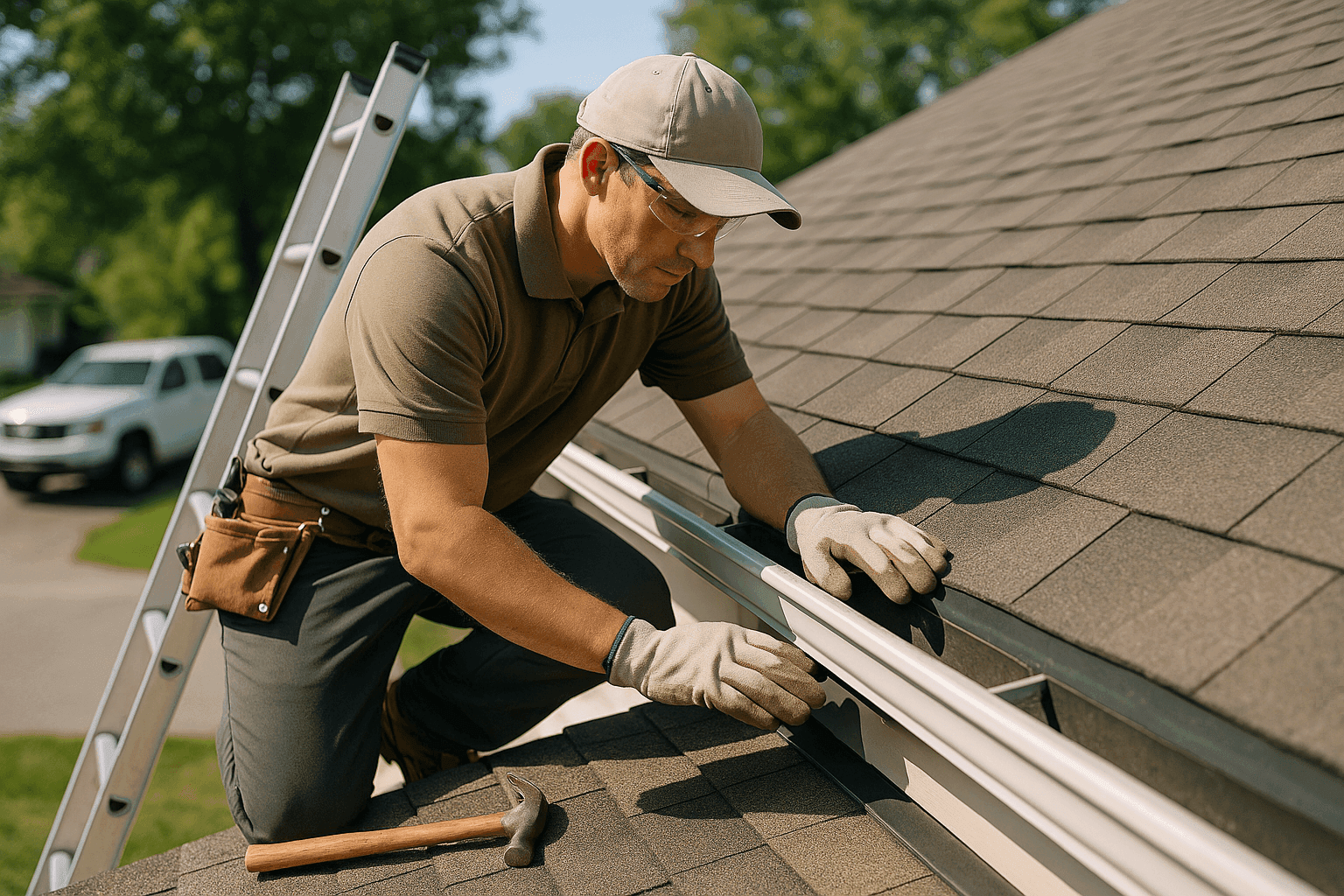
Is your roof quietly working overtime above your head? Most days, you hardly notice it—until something goes wrong. A leak, a missing shingle, or a clogged gutter can turn an ordinary day into a scramble for emergency roofing help.
At Pitch Roofing, we know a roof is more than shingles and nails. It’s your home’s shield. Your business’s first line of defense. With regular care, your roof can last for decades, saving you stress and money. Let’s walk through how a little preventative maintenance now can prevent major headaches later.
Why Preventative Maintenance Matters
Think of your roof like a car. You wouldn’t drive thousands of miles without an oil change, right? The same logic applies overhead. Skipping regular checkups means small issues—like cracked sealant or a loose shingle—can grow into expensive repairs or even full roof replacements.
Preventative maintenance helps you:
- Catch minor damage before it spreads
- Save on emergency roofing costs
- Improve energy efficiency
- Prepare for storms and harsh weather
- Extend the lifespan of your investment
According to the National Roofing Contractors Association (NRCA), regular inspections and upkeep are key to maximizing roof longevity and minimizing repair costs.
Quick Safety Checklist Before You Start 🦺
Before you climb a ladder or grab any tools, safety comes first. Here’s what to keep in mind:
- Check the weather: Dry, calm days are best.
- Wear non-slip shoes: Wet or mossy roofs are slippery.
- Use a sturdy ladder: Always place it on solid, level ground.
- Buddy system: Let someone know you’re working up high.
- Avoid walking on the roof: Especially if it’s steep or damaged—leave that to the pros.
If you’re ever unsure, it’s always safer to call a professional.
DIY vs. Call a Pro
Some maintenance tasks are perfect for homeowners and small business owners. Others? Not so much. Here’s how to tell the difference:
DIY-Friendly Tasks
- Gutter cleaning: Remove leaves and debris every spring and fall.
- Visual inspections: Look for missing shingles, rusted flashing, or sagging gutters from the ground.
- Trim branches: Keep trees from scraping or dropping debris on your roof.
Leave These to the Pros
- Climbing on steep or tall roofs
- Repairing damaged shingles or tiles
- Checking attic insulation and ventilation
- Applying sealants or coatings
- Inspecting for hidden leaks or structural issues
Professional roofers have the right safety gear, training, and experience to spot problems you might miss.
What Pros Do On Arrival
When you call Pitch Roofing or another certified contractor, here’s what you can expect:
- Comprehensive inspection: We check shingles, flashing, gutters, skylights, and chimney caps for signs of wear.
- Moisture detection: Using industry tools, we look for hidden leaks or water damage.
- Ventilation & insulation check: Proper airflow prevents mold and ice dams.
- Minor repairs: Small fixes—like sealing a crack or resetting a shingle—are handled on the spot if possible.
- Detailed report: We explain what we found and recommend next steps.
These steps follow guidelines from organizations like the NRCA and OSHA for roof safety and inspection standards.
Seasonal Maintenance Checklist
Every season brings new challenges. Here’s how to keep your roof ready all year:
Spring
- Clean gutters and downspouts after winter storms.
- Check for shingle damage or missing tiles.
- Inspect flashing around vents, chimneys, and skylights.
- Look for signs of mold or algae.
Summer
- Trim overhanging branches to prevent storm damage.
- Inspect attic ventilation—heat buildup can warp shingles.
- Check for cracked sealant or exposed nail heads.
- Schedule a professional inspection before storm season.
Fall
- Remove leaves from gutters and roof valleys.
- Inspect and repair worn sealants and coatings.
- Check attic insulation for pest activity.
- Ensure downspouts direct water away from your foundation.
Winter
- Watch for ice dams and clear snow from roof edges (if safe).
- Look for icicles, which can signal poor drainage or insulation.
- Inspect ceilings for water stains after heavy snow or ice.
- Call for emergency roofing help if you spot leaks or sagging.
Spotting Early Signs of Damage
Early detection is your best friend. Keep an eye out for:
- Curling, cracked, or missing shingles
- Rusted or loose flashing
- Granules collecting in gutters (for asphalt roofs)
- Water stains on ceilings or walls
- Unusual drafts or rising energy bills
- Sagging or uneven roof lines
If you notice any of these, don’t wait. Addressing small issues quickly keeps repair costs down and prevents emergencies.
Prevention & Maintenance Tips
Here’s how you can make maintenance a habit—not a hassle:
- Set reminders: Add roof checkups to your seasonal chore list.
- Keep gutters clear: Clogged gutters are a leading cause of leaks.
- Check attic ventilation: Good airflow keeps moisture and heat in check.
- Use quality sealants: Ask your roofer about eco-friendly options that last longer.
- Schedule annual inspections: Even if everything looks fine, a pro can spot hidden problems.
Remember, maintenance isn’t just about fixing what’s broken. It’s about making sure your roof is ready for whatever the weather throws at it.
Costs & Time Factors
How much time and money should you budget for maintenance? Here’s what to expect:
- DIY tasks: Gutter cleaning and visual inspections take a few hours, usually twice a year.
- Professional inspections: Most take 1–2 hours, depending on roof size and complexity.
- Minor repairs: Costs vary by material and severity, but catching issues early is always cheaper than waiting.
- Major repairs or replacement: Delaying maintenance can lead to higher costs down the road.
The Occupational Safety and Health Administration (OSHA) recommends regular roof inspections for commercial properties, and the same advice applies to homes.
When It’s an Emergency 🚨
Sometimes, despite your best efforts, emergencies happen:
- Sudden leaks during storms
- Fallen branches or storm debris
- Major hail or wind damage
- Sagging or partial collapse
If water is pouring in or you see structural damage, don’t wait. Emergency roofing services are available 24/7 for a reason—quick action can prevent further damage to your property.
Frequently Asked Questions
How often should I have my roof inspected?
At least once a year, plus after major storms. Regular inspections help catch problems early.
Can I clean my own gutters?
Yes, if you have a sturdy ladder and feel comfortable. Otherwise, hire a professional to avoid injury.
What are the most common causes of roof leaks?
Clogged gutters, damaged flashing, missing shingles, and poor ventilation are frequent culprits.
Does preventative maintenance really save money?
Absolutely. Small repairs cost far less than emergency roofing or full replacement.
Special Considerations for Roof Maintenance
Every roof is unique. Flat roofs, metal roofs, and tile roofs each have their own quirks. For example:
- Flat roofs: Prone to ponding water—check for standing puddles after rain.
- Metal roofs: Watch for rust and loose fasteners.
- Tile roofs: Broken tiles can let water seep underneath.
If your property has skylights, chimneys, or complex rooflines, regular professional inspections are especially important. And if you’re considering eco-friendly upgrades—like reflective coatings or improved insulation—ask your roofer about options that fit your needs and climate.
A little care goes a long way. Preventative maintenance is the secret ingredient to a long-lasting, worry-free roof. When in doubt, or if you spot something suspicious, Pitch Roofing is always ready to help.
Call Pitch Roofing now — or reach us anytime at 877-779-1050 .