How to Prepare Your Roof for Severe Weather: A Homeowner’s Guide
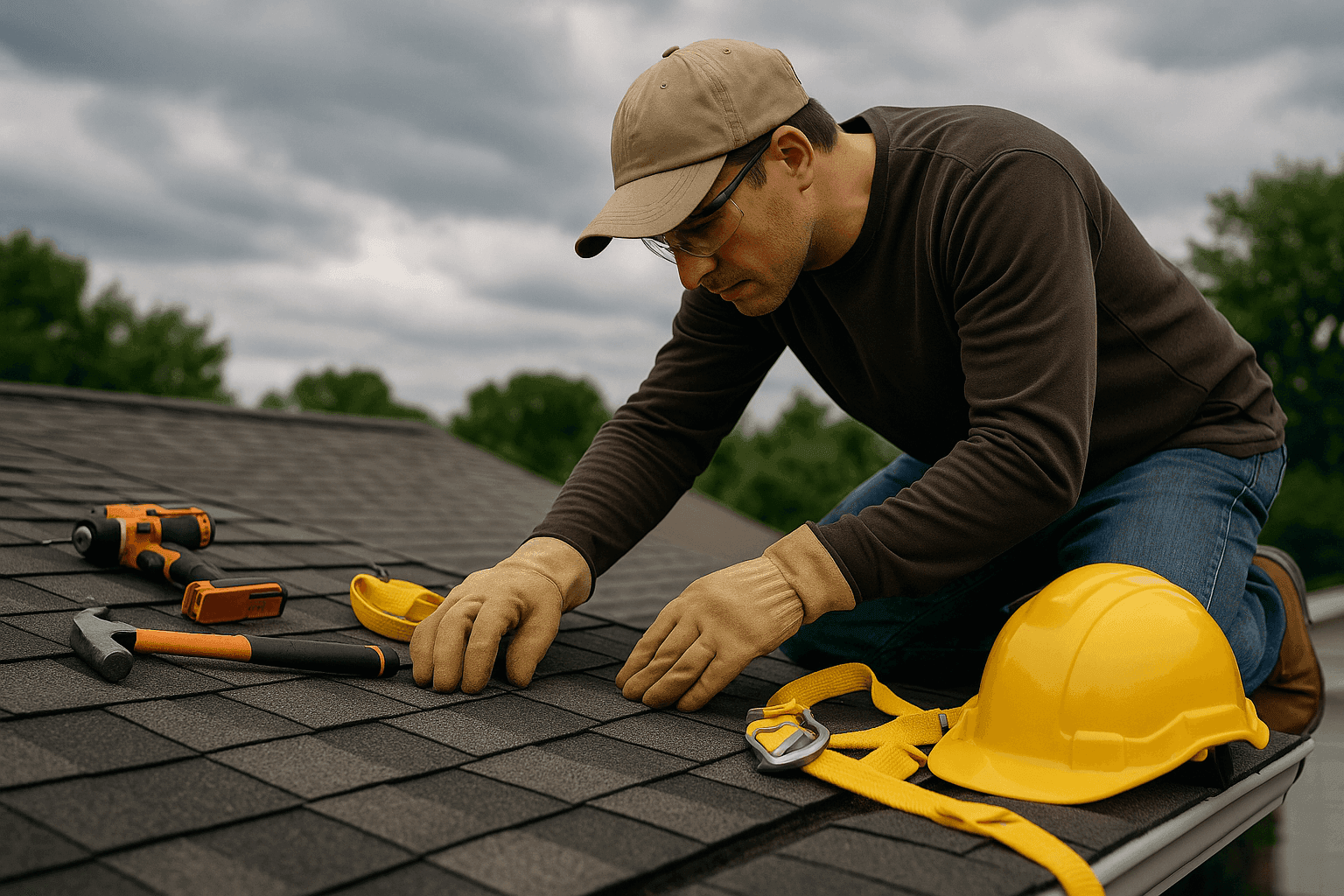
When the sky turns dark and winds begin to howl, most people think about windows and doors. But your roof stands as the true shield between you and the storm. At Pitch Roofing, we know that a little preparation today can prevent a flood of problems tomorrow.
Storms don’t call ahead. That’s why knowing how to get your roof ready—before the weather takes a turn—is one of the smartest moves a homeowner or small business owner can make.
Understanding Weather Risks to Your Roof 🌧️
Severe weather comes in many forms: pounding rain, high winds, hail, and even heavy snow. Each one tests your roof in unique ways. Think of your roof as a helmet; if it’s cracked, loose, or worn, the next hit could be the one that lets trouble in.
Common threats include:
- Wind: Can lift shingles, flashing, or even entire sections.
- Rain: Finds its way into the smallest cracks or gaps.
- Hail: Bruises or punctures roofing materials, especially older shingles.
- Snow/Ice: Adds weight and can cause leaks or ice dams.
The National Roofing Contractors Association (NRCA) highlights that most roof failures during storms start with small, ignored issues. A missing shingle or loose gutter might seem minor—until water pours in.
Pre-Storm Roof Inspection Checklist
A quick check before storm season can reveal hidden problems. Here’s where to focus:
1. Shingles & Tiles
- Look for missing, cracked, or curling shingles.
- Check for loose or broken tiles.
- Spot granule loss? That’s a sign shingles are aging.
2. Flashing & Roof Edges
- Inspect metal flashing around chimneys, vents, and skylights.
- Look for rust, gaps, or lifting edges.
- Chimney flashing and caps should be snug and sealed.
3. Gutters & Downspouts
- Clear out leaves, twigs, and debris.
- Check for loose or sagging sections.
- Make sure downspouts direct water away from your foundation.
4. Attic & Interior
- Peek inside your attic for water stains or damp insulation.
- Look for daylight peeking through boards.
- Sniff for musty odors—these can signal hidden leaks.
5. Skylights & Vents
- Ensure seals aren’t cracked or brittle.
- Test that moving parts (like vent fans) operate properly.
6. Decking & Structural Supports
- Check for visible sagging or soft spots in the roofline.
- Notice any new creaks or groans in windy weather?
Key Maintenance Tasks to Prevent Damage
A little elbow grease now beats a major repair later. Here’s what you can do:
- Clean gutters and downspouts at least twice a year.
- Trim overhanging branches to prevent falling limbs.
- Apply roof sealants or coatings to vulnerable areas.
- Replace worn or damaged flashing immediately.
- Schedule professional inspections annually—especially before storm season.
Identifying Vulnerable Areas
Some spots need extra attention. Think of these as the weak links in your roof’s armor:
- Flashing: The metal strips around chimneys and vents. If these lift or rust, water sneaks in.
- Gutters: Clogged or broken gutters can overflow, soaking your foundation or siding.
- Shingles: One missing shingle is like an open invitation for leaks.
- Skylights & Chimneys: Seals and caps must be tight to keep water out.
Ventilation & Insulation: Your Roof’s Secret Weapons
Proper ventilation and insulation are like the lungs and blanket of your roofing system. They help control temperature, reduce condensation, and prevent ice dams. The International Residential Code (IRC) sets standards for attic ventilation—be sure your vents are clear and your insulation is dry and fluffy, not matted or damp.
Emergency Roof Protection Tips
When a storm is on the horizon, quick action can make all the difference.
- Tarp over damaged areas: Use heavy-duty tarps and secure them with boards or sandbags.
- Move valuables: Get electronics, furniture, and important documents away from leak-prone zones.
- Photograph damage: For insurance claims, snap clear photos before and after the storm.
- Stay safe: Never climb on a roof during high winds or lightning.
If you spot active leaks, place buckets or towels under the drip to minimize water damage inside.
The Value of Professional Inspections & Preventative Maintenance
While DIY checks are helpful, nothing replaces a trained eye. Licensed roofing professionals follow standards set by the Occupational Safety and Health Administration (OSHA) and NRCA. They spot subtle warning signs and use specialized tools to check for hidden moisture, loose decking, or early signs of rot.
Pitch Roofing’s emergency roofing team is trained to respond fast—often spotting issues that could turn a minor leak into a major headache. Preventative maintenance isn’t just about avoiding repairs; it’s about peace of mind.
Recognizing Early Warning Signs
Catching problems early can save you thousands. Watch for:
- Water stains on ceilings or walls
- Sagging gutters or rooflines
- Shingles in your yard after a storm
- Unexplained spikes in energy bills (can signal poor insulation or leaks)
If you notice any of these, don’t wait. The longer you delay, the bigger the risk.
Preparing for Emergency Situations
Sometimes, despite your best efforts, nature wins. Here’s how to stay ready:
- Keep Pitch Roofing’s number handy for 24/7 emergency roofing help.
- Store tarps, flashlights, and batteries in an easy-to-reach spot.
- Review your insurance policy so you know what’s covered.
- Create a storm plan for your family or business—know where to shelter and what to do if water gets in.
FAQ: Severe Weather Roof Prep
How often should I inspect my roof?
At least once a year, and after any major storm. If your roof is older or you’ve had problems before, twice a year is smart.
Can I handle small repairs myself?
Some fixes—like clearing gutters or replacing a shingle—are DIY-friendly if you’re comfortable on a ladder. For anything involving structural supports, flashing, or leaks, call a professional.
What’s the biggest mistake homeowners make?
Ignoring small problems. A missing shingle or loose gutter might not seem urgent, but storms can turn them into major leaks fast.
How do I know if it’s an emergency?
If water is entering your home, if you see structural damage, or if you suspect electrical hazards, treat it as an emergency and call for help.
Special Considerations for Roof Types
Every roof is different. Here’s what to keep in mind:
- Shingle Roofs: Check for curling or missing pieces after wind or hail.
- Metal Roofs: Listen for loose panels or rattling sounds.
- Tile Roofs: Watch for cracked or slipped tiles—these can be heavy and dangerous.
- Flat Roofs: Look for ponding water and check all seams and coatings.
- Skylights & Chimneys: Ensure all flashings and caps are tight and rust-free.
If your property has unique features like solar panels, skylights, or a historic structure, let your roofing professional know—they’ll take extra care.
Severe weather doesn’t have to mean disaster. With a little planning, regular maintenance, and the right emergency roofing help, you can keep your home or business safe and dry—no matter what the skies bring.
Call Pitch Roofing now — or reach us anytime at 877-779-1050 .